Exploring the Benefits of Digital Property Records
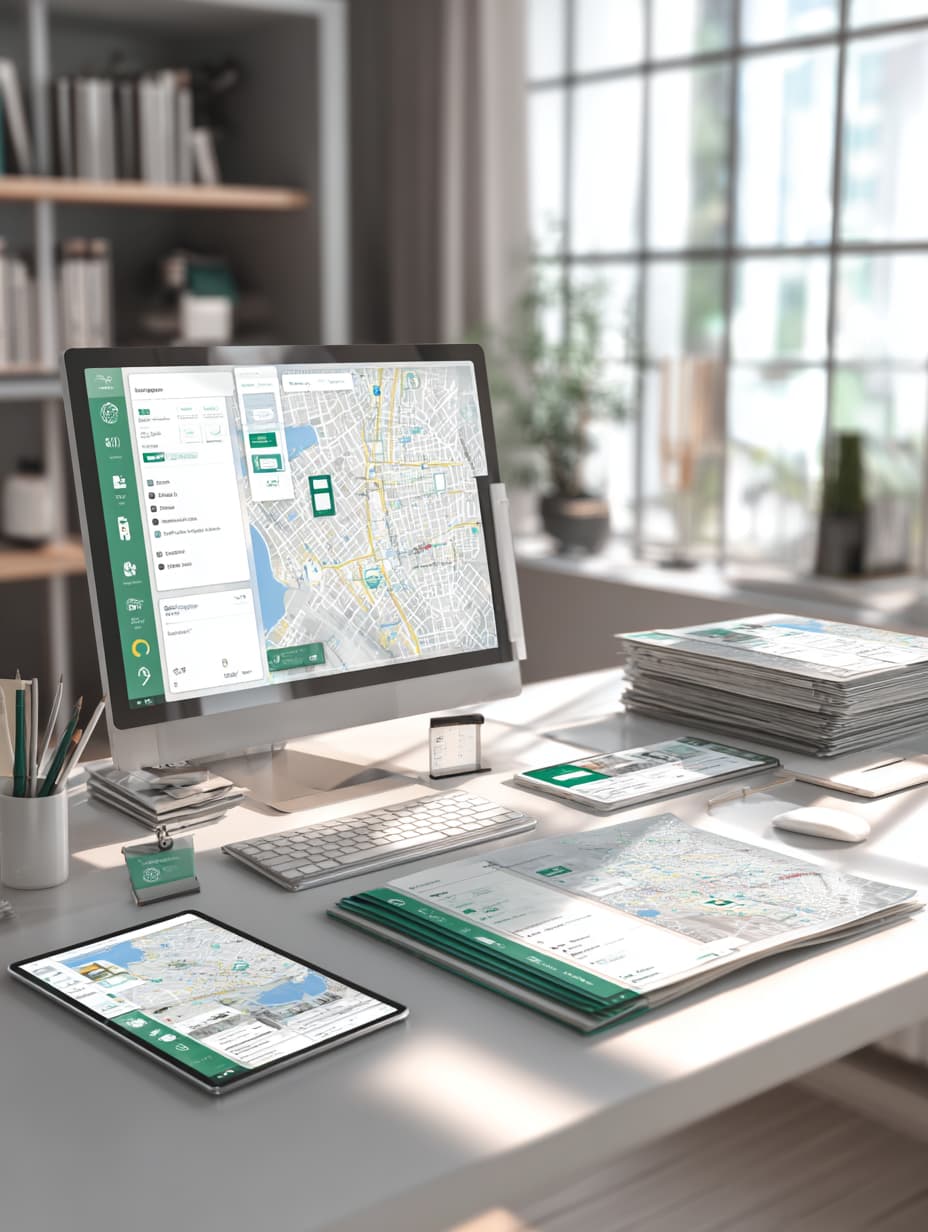
In today’s tech-driven world, the way we manage property records is evolving. Digital property records are replacing old paper files, offering a faster, safer, and more convenient approach to handling property information. Whether you're a homeowner, investor, or real estate professional, understanding the benefits of this digital shift can help you make better, faster decisions.
Understanding Digital Property Records
What are Digital Property Records?
Digital property records are electronic versions of documents that show property ownership, boundaries, taxes, and more. These records are stored and accessed online using secure systems. Unlike paper files kept in government offices or filing cabinets, digital records are easier to find, update, and share. "Historically, land records were managed by local courthouses or federal repositories such as the U.S. National Archives."
Why Digital Property Records Matter
Digital records make property transactions more transparent and less prone to fraud. With quick access to verified information, buyers and sellers can avoid errors, disputes, and delays. They also support sustainability efforts by reducing the need for paper and physical storage.
How to Access Digital Property Records
1. Online Real Estate Platforms
Websites like Zillow and Realtor.com allow users to look up property information, including ownership history and tax data. These tools are designed for easy access and navigation.
2. Local Government Websites
Many counties and cities have digitized their property records. You can often search by address or parcel number to view ownership details, tax assessments, and zoning information.
3. Mobile Apps
Apps like LandGlide offer real-time property data based on your location. This is particularly useful for real estate agents or investors doing field research.
Real-World Example: Cook County, Illinois
In 2020, Cook County, home to Chicago, digitized millions of property records through the Recorder of Deeds Office. This move helped reduce fraud, streamline transactions, and make public access much easier. Before digitization, retrieving documents often required an in-person visit and a long wait. Now, residents and professionals can search, download, and verify property documents online within minutes.
→ Source: Cook County Recorder of Deeds
Benefits of Digital Property Records
✔ Convenience
Access records anytime, from anywhere. Whether you're working from a laptop or checking details on your phone, there's no need to visit an office or sort through paper files.
✔ Cost Savings
Digital systems cut down on printing, mailing, and physical storage costs. Automated processes also reduce the need for staff to manually handle records.
✔ Faster Transactions
Digital access speeds up everything from title searches to closing paperwork. Real estate deals that once took weeks now move faster thanks to immediate access to current data.
Comparing Digital and Traditional Property Records
Accessibility and Speed
Digital: Instantly available through websites or apps, 24/7.
Traditional: Requires physical access during limited office hours, often with delays for retrieval.
Security
Digital: Protected with encryption, multi-factor authentication, and backup systems. Some counties are exploring blockchain for even higher security.
Traditional: Susceptible to loss, damage, or unauthorized alterations. Fire, theft, or simple misfiling can result in permanent loss.
Accuracy and Updates
Digital: Easier to update, ensuring information is current and consistent across systems.
Traditional: Prone to errors due to manual entry and slower update cycles.
Environmental Impact
Digital: Reduces paper use and the need for physical space.
Traditional: Relies heavily on printed documents, leading to higher environmental costs.
Public Access and Transparency
Digital: Empowers citizens with better access to property data, fostering trust and transparency.
Traditional: Often involves bureaucratic delays and less public visibility.
Looking Ahead: The Future of Digital Property Records
Technology will continue to shape how we manage property data. Blockchain could soon offer unchangeable, verifiable property records. Artificial intelligence might help predict property trends or spot inconsistencies in ownership records.
As these tools improve, digital property systems will become a critical part of how we buy, sell, and understand real estate.
Switching to digital property records isn't just about speed or convenience. It’s about building a smarter, more transparent system that benefits everyone, from first-time buyers to experienced investors. As more counties and companies make the digital leap, now is the time to explore how these tools can simplify your real estate experience.
For more insights on real estate processes and digital innovations, explore our related articles. Discover how embracing digital tools can transform your real estate endeavors!
Frequently Asked Questions About Digital Property Records
Are digital property records secure?
Yes. Most systems use encryption and secure login methods to protect your data.
Can I access digital property records for free?
Many government sites offer free access, though some advanced tools or reports may require a fee.
Do digital property records cover all types of properties?
Generally, yes. They usually cover residential, commercial, and industrial properties.